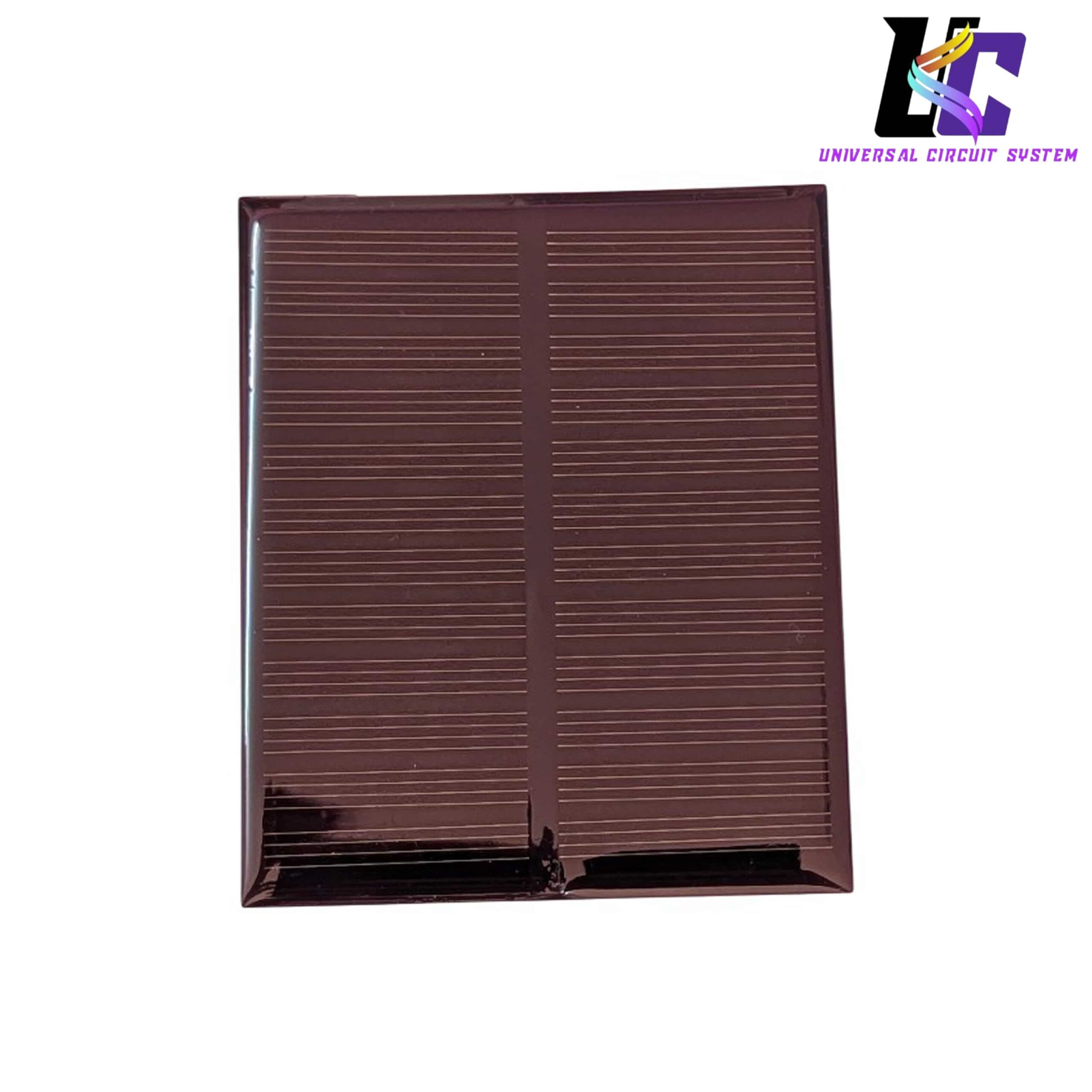
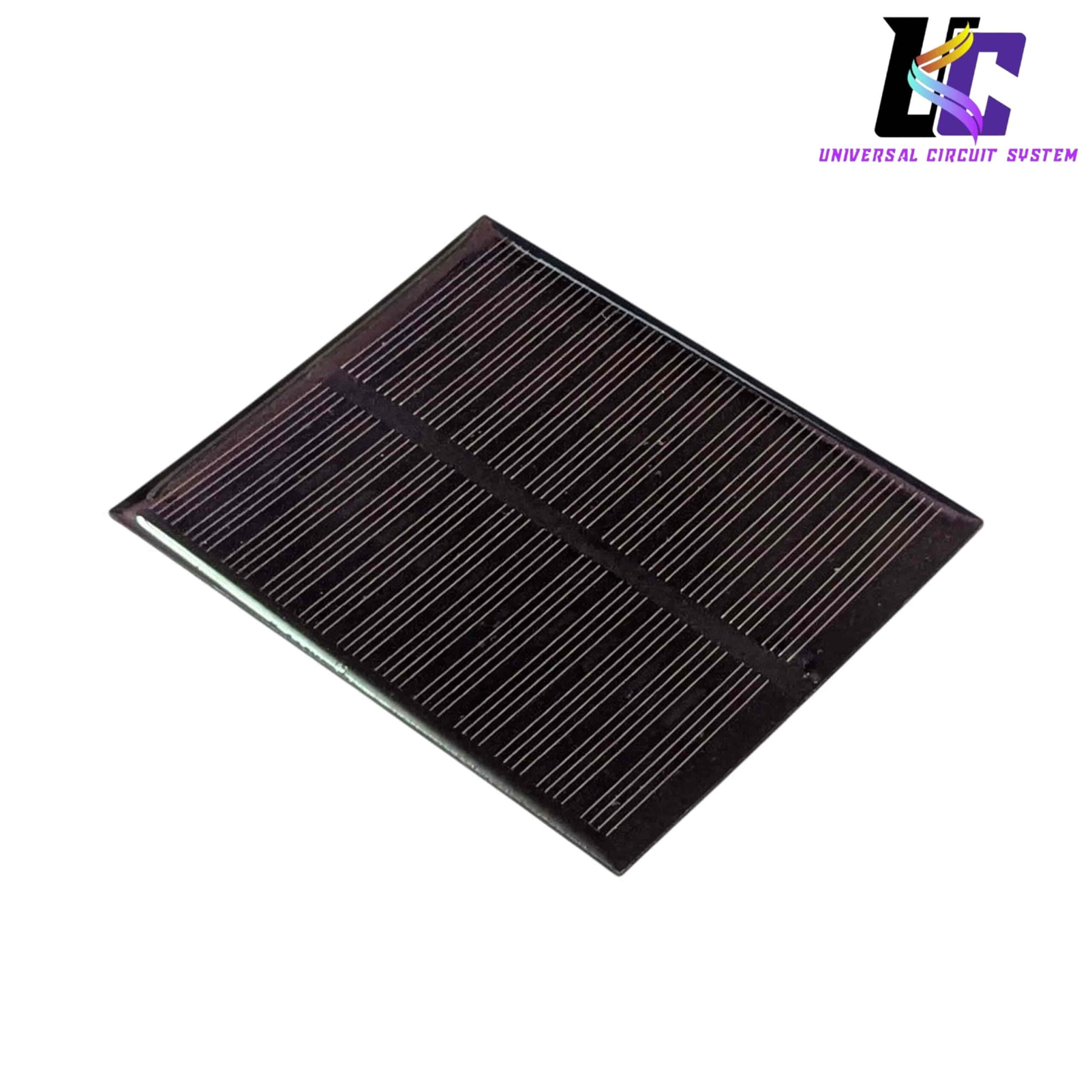
Mini Epoxy Solar Panel

Roll over image to zoom in
৳ 190.00৳ 250.00 (-24%)
This Mini Epoxy Solar Panel Cell is a highly compact, lightweight photovoltaic module specifically engineered for low-power applications, STEM education, and DIY electronic prototyping. Coated in a crystal-clear, durable epoxy resin surface, this micro solar cell efficiently converts sunlight into clean DC power, making it an excellent primary energy source for running small motors, LED arrays, or charging small battery packs.
This Mini Epoxy Solar Panel Cell is a highly compact, lightweight, and versatile micro photovoltaic module engineered specifically for low-power applications, custom electronic prototyping, and STEM educational kits. Coated with a high-grade, crystal-clear protective epoxy resin, this micro solar board offers an ideal balance of durability, cost-efficiency, and ease of use, making it a staple component for student science fairs, robotics designs, and off-grid IoT sensors.
Unlike large, framed commercial panels, this bare mini panel is optimized to be embedded directly into custom project enclosures, scale models, and small consumer electronics. The clear resin shell completely encapsulates the silicon wafers beneath, protecting them from scratches, dust, and moisture while maintaining a high rate of light transmission for maximum power conversion.
Technical Specifications
- Product Classification: Mini Sealed Photovoltaic Module / Solar Cell
- Encapsulation Material: High-Transparency Protective Epoxy Resin (Polished Gloss Finish)
- Substrate Material: Durable, rigid fiberglass backing board
- Cell Architecture: High-efficiency polycrystalline or monocrystalline silicon matrix
- Output Termination: Exposed positive (+) and negative (-) raw metal solder pads on the rear surface
- Form Factor Category: Flat, ultra-slim profile with a lightweight footprint
Key Product Features
- Weather-Resistant Epoxy Shield: The smooth, hard-coated resin layer shrugs off light impacts, surface abrasions, and atmospheric moisture, ensuring the delicate internal semiconductor layers stay operational during outdoor field tests.
- Solder-Ready Rear Terminal Pads: Designed with clearly isolated positive and negative copper contact points on the back plate. These pads readily accept standard lead or lead-free solder wire, making it incredibly easy to attach hookup wires or integrate the cell directly onto a custom printed circuit board (PCB).
- High-Purity Silicon Conversion: Formulated to extract maximum current density under bright, direct sunlight. It serves as an excellent independent power grid to run small hardware modules without relying on standard lithium or alkaline cells.
- Sleek, Space-Saving Prototyping: The borderless, frame-free design keeps the panel incredibly thin (typically under 3mm thickness), allowing it to fit seamlessly onto the roofs of miniature toy cars, robotic chassis, or ultra-low-profile environmental monitoring beacons.
- Perfect for Hands-On Learning: Highly recommended for teachers, schools, and makerspaces as an introductory component to teach students the fundamentals of green technology, basic circuit wiring, and renewable energy conversion.
Common Project Applications
- STEM & Science Education: Perfect for solar-powered school science models, autonomous toy racing cars, and experimental solar chargers.
- Smart Home & Garden DIY: Ideal for building custom, automatic solar garden path lights, patio decorations, and light-activated kinetic art.
- Low-Power IoT Monitoring: Functions as a continuous trickle charger for outdoor weather trackers, remote soil moisture monitors, and wildlife data loggers.
Prototyping and Soldering Safety Notes
To keep your customers happy and reduce product return rates from user error, consider adding these helpful implementation tips to your description page:
- Soldering Technique: Use a low to medium heat setting on your soldering iron (around 300°C to 320°C) and limit contact with the rear metal pads to under 3 seconds. Applying excessive heat for too long can delaminate the copper pads or warp the protective front resin layer.
- Managing Voltage Output: Because these small solar cells do not contain internal regulation, their output voltage varies depending on the intensity of the sunlight. If you are wiring the cell directly to a sensitive 3.3V or 5V microcontroller, be sure to connect a small voltage regulator module or Zener diode inline to protect your chips from sudden voltage spikes.




Reviews
There are no reviews yet.