
NodeMCU V3 ESP8266 CH340 Micro-USB WiFi Development Board Wireless IoT Module
Roll over image to zoom in
৳ 340.00৳ 400.00 (-15%)
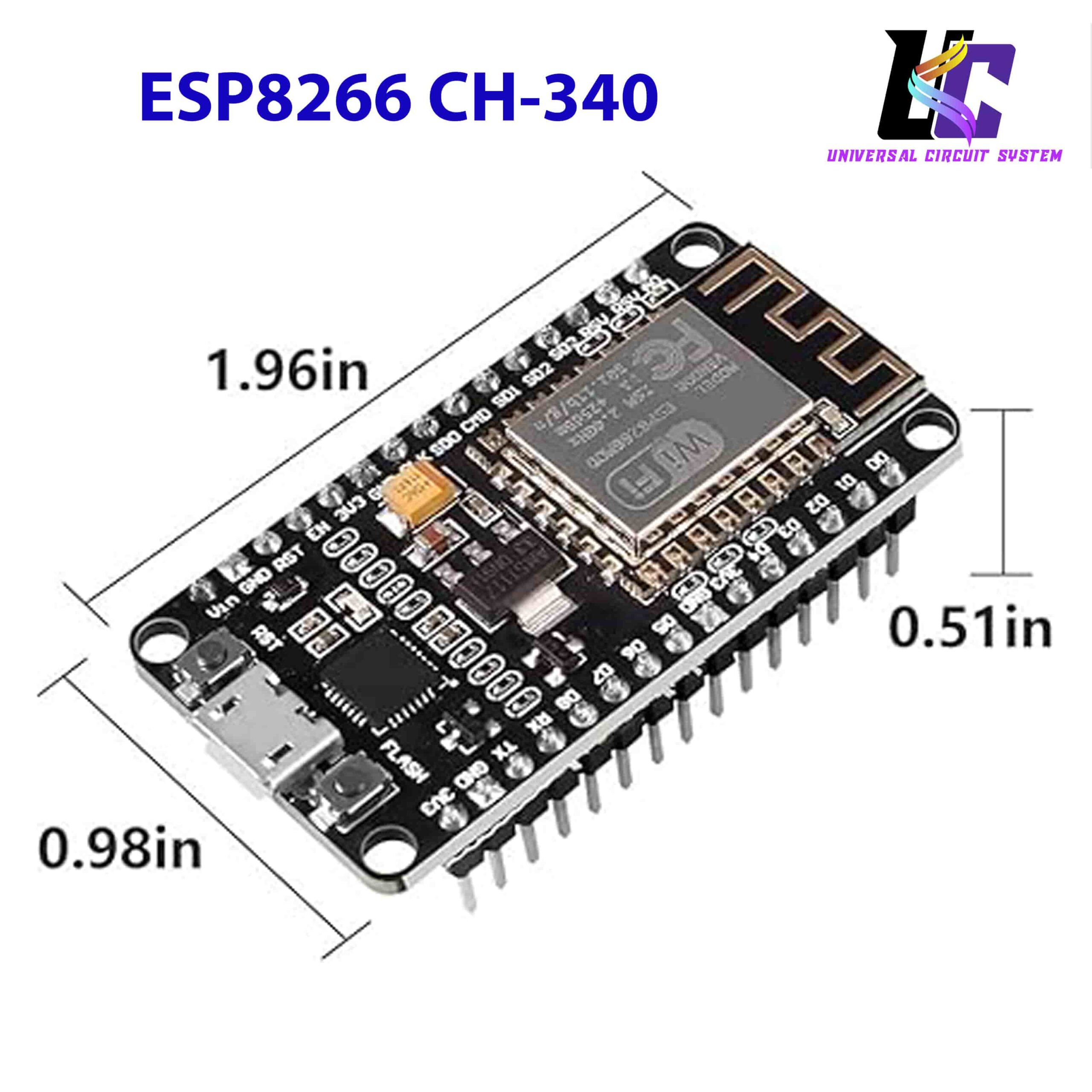
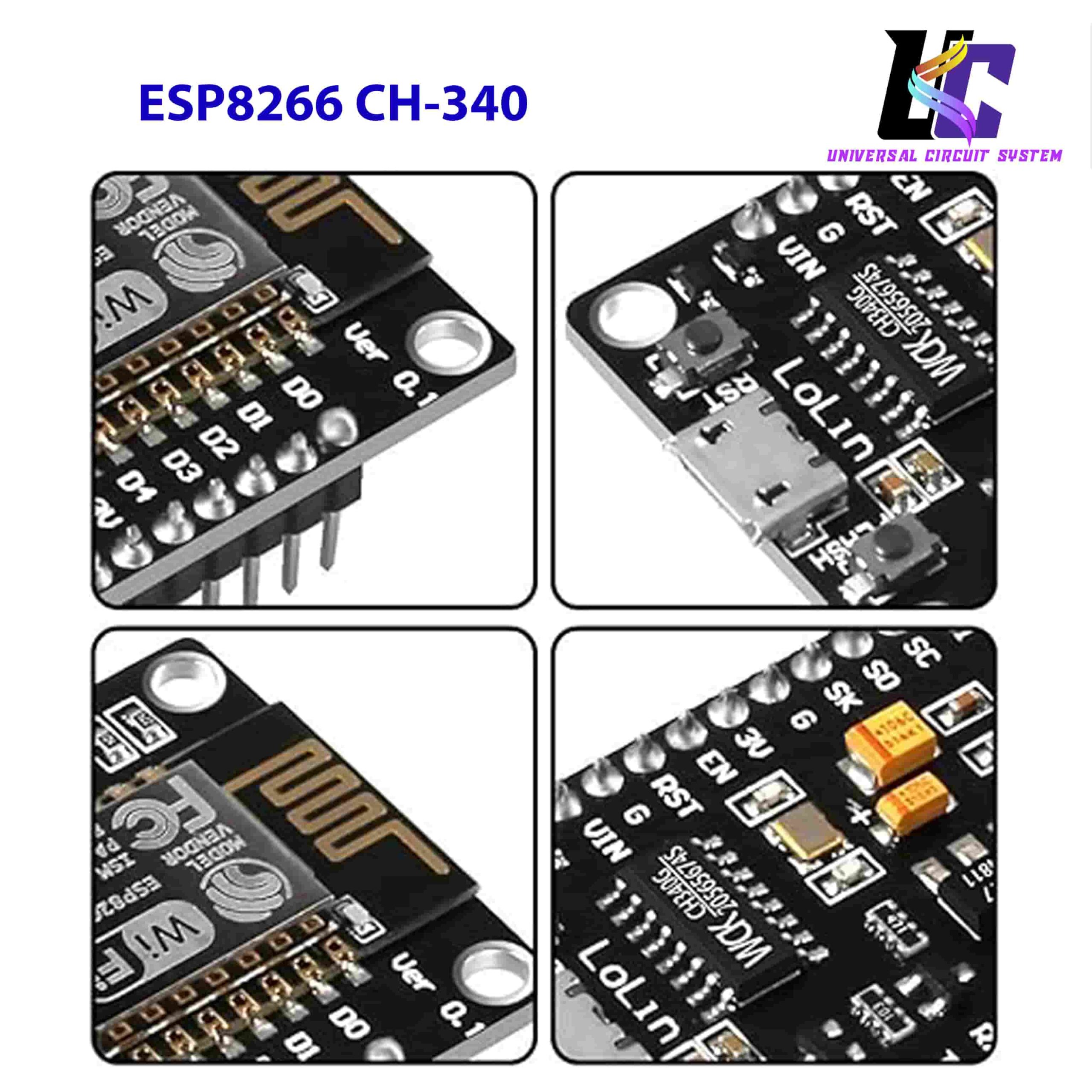
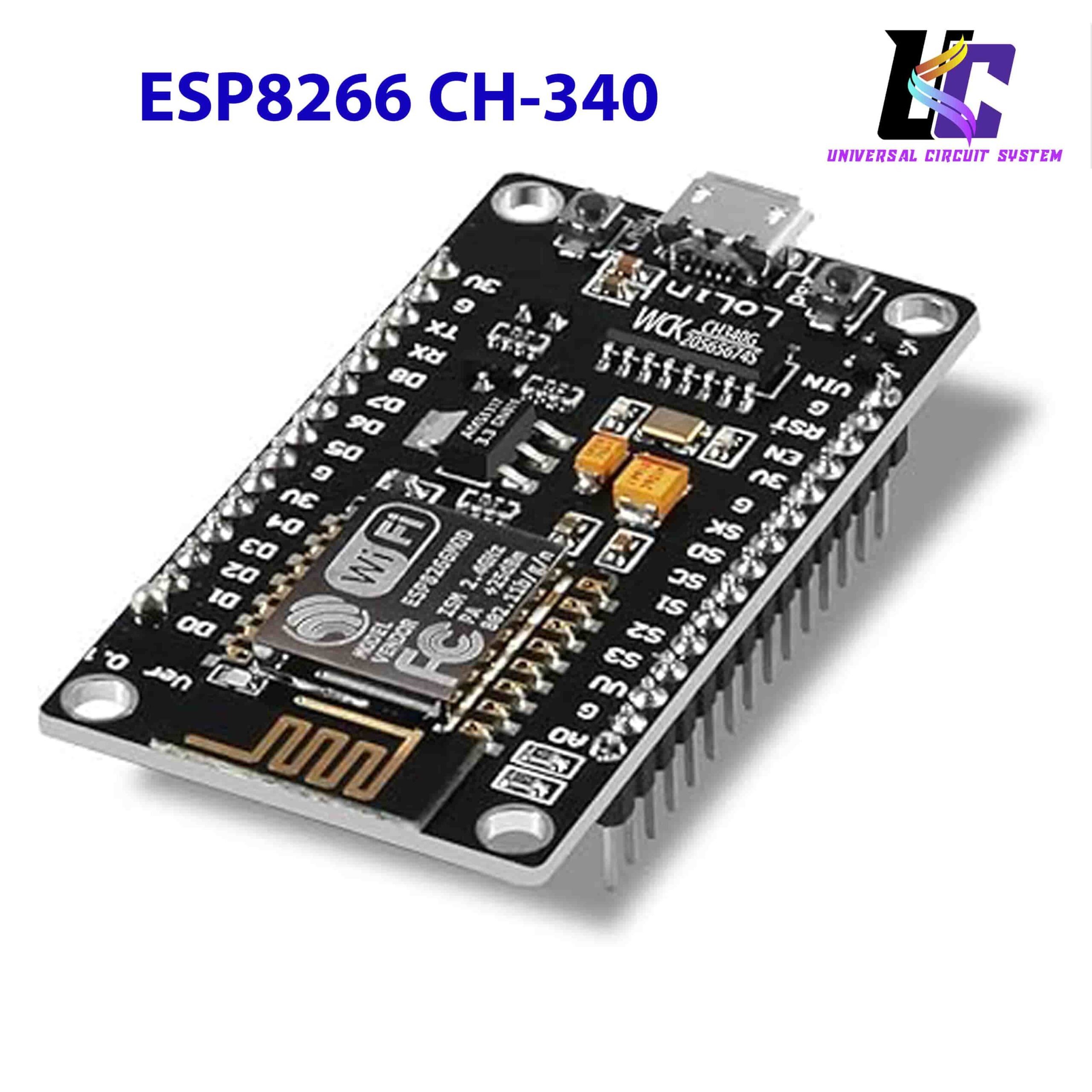
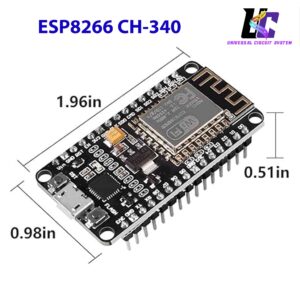
This high-performance NodeMCU V3 ESP8266 development board features an integrated ESP-12E module driven by a responsive Tensilica® 32-bit CPU. Measuring a highly compact 1.96 inches by 0.98 inches (with a low-profile 0.51-inch thickness), it utilizes a standard Micro-USB port managed by a highly compatible CH340 serial chip to deliver fast, stable firmware flashing and real-time debugging across the Arduino IDE. It provides complete 2.4GHz Wi-Fi (802.11 b/g/n) connectivity with support for full network security stacks and onboard PCB antenna tracking. Outfitted with a 30-pin layout, tactile Flash/Reset switches, and an onboard voltage regulator, this space-saving module serves as the ultimate low-cost, plug-and-play foundation for compact smart home appliances, remote sensor meshes, and space-constrained wireless DIY IoT arrays.
If you want, tell me if you need help with:
- Writing a comprehensive, full product description
- Formatting bullet points optimized for e-commerce sites like Amazon or AliExpress
- Providing a pinout connection overview to map out I2C, SPI, and Analog (A0) pins
Product Description
The NodeMCU V3 ESP8266 Micro-USB Development Board is an open-source, highly versatile wireless computing platform engineered to serve as the definitive foundation for smart home networks and internet-connected devices. At its core sits the widely-vetted ESP-12E core module, powered by a Tensilica® L106 32-bit RISC micro-processor operating at speeds up to 160MHz. Combining a complete onboard 2.4GHz Wi-Fi networking stack with 4MB of high-speed SPI Flash storage, this powerful board functions effortlessly as a standalone web server, a local access point, or a multi-sensor smart node feeding data directly to cloud dashboards.
A defining benefit of this module is its space-saving and ultra-compact physical blueprint. Precision mapped at a miniature 1.96 inches in length, 0.98 inches in width, and a low-profile 0.51 inches in thickness, it easily slides into highly confined custom enclosures, hand-held sensor casings, and low-clearance structural housings. The data pipeline is managed by a highly compatible CH340 USB-to-UART bridge chip paired with a sturdy Micro-USB port, ensuring rock-solid serial debugging and effortless driver installations across Windows, macOS, and Linux systems. Supporting full WPA/WPA2 security protocols and standard network stacks (including IPv4, TCP, UDP, and HTTP), this user-friendly module is the ultimate space-conscious choice for building automated appliances, weather tracking stations, smart lighting arrays, and DIY IoT projects.
Key Features
- Integrated 2.4GHz Wi-Fi Stack: Complete 802.11 b/g/n transceiver configuration enables immediate cloud data streaming and local network hosting.
- Ultra-Compact Micro Footprint: Miniature 1.96″ x 0.98″ x 0.51″ dimensions make it the ultimate space-saving module for tightly enclosed portable devices.
- High-Compatibility CH340 Serial Chip: Built-in bridge controller offers high driver stability and a streamlined setup across multiple desktop software suites.
- Versatile 30-Pin Footprint: Standard NodeMCU pin spacing allows for quick integration onto breadboards, custom expansion shields, and sensor blocks.
- Multi-Environment Software Integration: Fully programmable through the popular Arduino IDE, MicroPython, NodeMCU LUA scripting, and Espressif SDKs.
Technical Specifications
- Core Module Framework: Espressif Systems ESP-12E Core (ESP8266 Architecture)
- USB-to-Serial Interface Chip: CH340 Bridge Controller
- Processor Clock Speed: 80 MHz to 160 MHz
- Onboard Memory Capacity: 4MB SPI Flash / 64KB SRAM
- Wireless Standards: Wi-Fi 2.4 GHz (802.11 b/g/n) with integrated PCB trace antenna
- Physical Body Dimensions: 1.96 in x 0.98 in x 0.51 in (Length x Width x Thickness)
- Onboard Interfaces: 1x Micro-USB, 1x RST Button, 1x FLASH Button, 1x Analog Input Pin (A0, 0V–1V Max input)
- Hardware Expansion Terminals: 30-Pin Dual-Sided Male Pin Header Array
If you want, tell me if you need help with:
- Formatting an SEO-optimized bulleted list for Amazon, eBay, or AliExpress storefronts
- Providing an Arduino code example illustrating how to connect the board to your home Wi-Fi network
- Reviewing the 30-pin layout mapping to see which GPIO pins support I2C and SPI sensors






Reviews
There are no reviews yet.